

Sensitive Skin? Eye Cream vs Serum That Shows Results in 14–28 Days
Eye serums treat specific concerns with concentrated actives; eye creams hydrate and reinforce the skin barrier. Most people get better results layering both—serum first, cream second—than picking just one. The right combination depends on your concern (puffiness, dark circles, fine lines, dryness) and your skin’s sensitivity, so patch-testing new products near the eye is always worth the extra thirty seconds.
TL;DR:
- Using a serum first allows for deeper penetration of active ingredients, which is beneficial for concerns like fine lines, puffiness, or dark circles.
- Eye creams are thicker, more occlusive, and best suited for hydrating dry, thinning skin and reinforcing the skin barrier overnight.
- Layering serum and cream in the correct order, with serum applied first and waited upon absorption, maximizes each product’s effectiveness and minimizes irritation.
- Key ingredients backed by research include peptides, hyaluronic acid, caffeine, niacinamide, and ceramides, but caution is needed with high-strength retinoids and acids.
- Expect visible improvements only after several weeks, and for sensitive skin, starting with gentle formulas that avoid fragrance and harsh actives is recommended.
Table of Contents
- Eye Cream vs Serum: What a Cream Actually Does
- What Does an Eye Serum Treat?
- Cream vs Serum: The Differences That Actually Matter
- When Should You Use a Serum, a Cream, or Both?
- How to Layer Eye Serum and Cream Without Irritation
- Ingredients to Look for and Ingredients to Watch
- How Maisondovelle’s Eye Products Fit These Rules
- What to Realistically Expect From Any Eye Routine
- Your Starter Routine From Maisondovelle
- Sources
- FAQ
Eye Cream vs Serum: What a Cream Actually Does
An eye cream’s job is simple: hold moisture in and keep the skin barrier intact. Creams use thicker, more occlusive bases, often built on lipids and emollients, that sit on the surface longer than a serum would. That occlusion matters most for dry, thinning skin around the eyes, where transepidermal water loss shows up fast.
Common cream ingredients include:
- Ceramides to reinforce the skin’s natural barrier
- Hyaluronic acid for surface-level hydration and plumping
- Lipids and fatty acids to slow moisture loss overnight
Creams work best in a night routine or for anyone dealing with dryness, flaking, or a compromised barrier. They’re not built to deliver deep concentrations of active ingredients. That’s the serum’s territory.
What Does an Eye Serum Treat?
An eye serum is a lightweight, fast-absorbing formula designed to deliver a higher concentration of active ingredients than a cream can carry. Because the base is thinner, actives penetrate more efficiently, which is why dermatologists interviewed by TODAY generally describe serums as the more concentrated, treatment-focused option.
Typical serum actives include:
- Peptides to support firmness and reduce the look of fine lines
- Caffeine to constrict blood vessels and reduce puffiness
- Niacinamide to even tone and calm redness
- Vitamin C (low strength) for brightening
- Hyaluronic acid for lightweight hydration that layers well under other products
Serums fit naturally into a daytime routine, especially under makeup, since they absorb quickly and don’t leave a heavy film. They’re the better pick when you’re correcting a specific, visible concern rather than just trying to keep skin comfortable.
Cream vs Serum: The Differences That Actually Matter
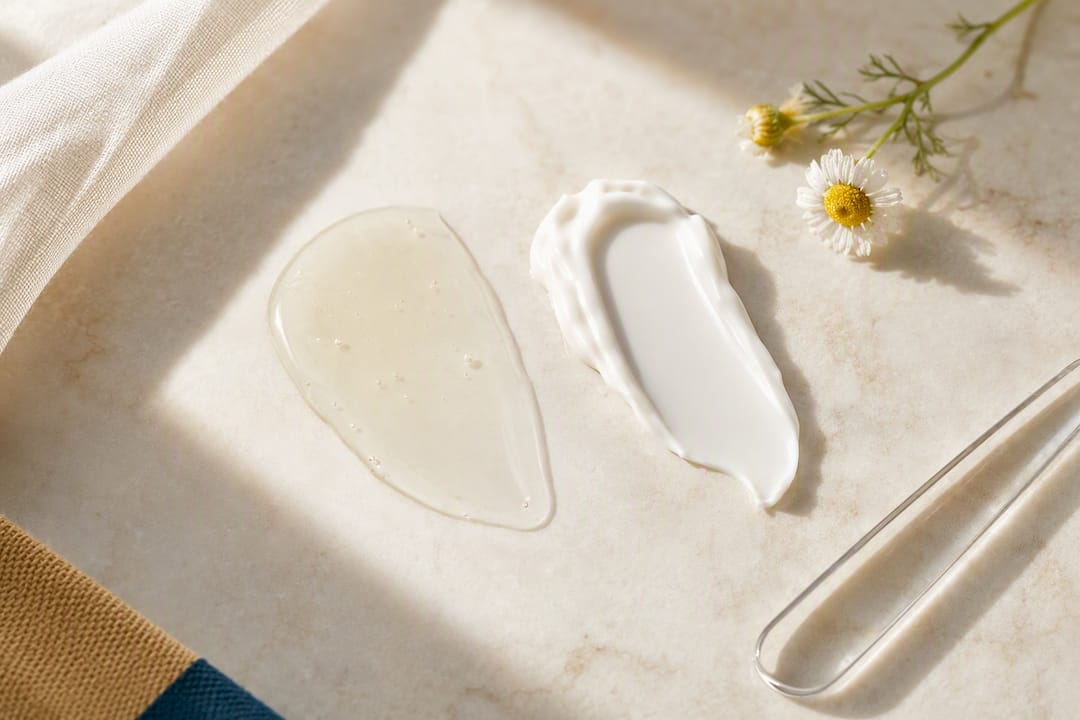
The core distinction comes down to occlusion versus penetration. A cream’s job is to sit on skin and slow water loss. A serum’s job is to get ingredients into the skin efficiently. Research on skin anatomy and topical delivery explains why: periorbital skin is thin, so lighter, low-viscosity formulas move through it faster than heavier, occlusive ones.
That difference shapes how each product behaves in a routine:
- Layering: Serums go on first, on clean skin, so actives aren’t blocked by a cream barrier. Creams go last to seal everything in.
- Makeup compatibility: Serums absorb fast and leave minimal residue, so makeup sits better over them. Heavy creams can cause concealer to slide or crease.
- Best for puffiness and dark circles: Serums with caffeine or vitamin C tend to address these faster since the issue is often circulation or pigment.
- Best for dryness and fine lines from dehydration: Creams win here, especially at night when barrier repair matters more than active delivery.
One thing worth knowing: some products labeled “eye cream” and “eye serum” overlap more than marketing suggests. A Kiehl’s explainer on eye formulations points out that texture and concentration matter more than the name on the label. Read the ingredient list, not just the category.
When Should You Use a Serum, a Cream, or Both?
Matching product to concern saves money and prevents irritation from stacking too many actives at once.
- Puffiness. Reach for a caffeine-based serum, ideally with a cooling metal applicator tip. Save cream for after, mainly for comfort, not treatment.
- Dark circles. Figure out the cause first. Pigment-related circles respond to niacinamide or vitamin C; vascular circles (a bluish tint) respond better to caffeine; shadowing from volume loss needs a different approach entirely, sometimes cosmetic rather than topical.
- Fine lines. Peptide serums, or low-strength retinoid formulas if your skin tolerates them, work best applied at night. Follow with a cream to seal and reduce dryness from the actives.
- Dryness or sensitive skin. Skip aggressive actives near the lash line. Prioritize gentle emollients, ceramides, and barrier-supportive ingredients instead.
If more than one concern applies, which is common, layering serum and cream together usually beats picking one over the other.
How to Layer Eye Serum and Cream Without Irritation
Apply products to clean, dry skin, in this order:
- Pat a small amount of serum onto the orbital bone using your ring finger.
- Wait roughly 30 to 60 seconds, or until it’s mostly absorbed, before applying anything else.
- Follow with a pea-sized amount of cream, patted gently rather than rubbed.
- Stay on the bony orbital ridge rather than close to the lash line, where products are more likely to migrate into the eyes.
The American Academy of Dermatology recommends applying lighter treatment products before heavier ones for exactly this reason: creams can block a serum’s actives from reaching the skin if applied first. If you’re using a retinoid serum, stick to nighttime only, and introduce it gradually.
Pro Tip: If a product causes stinging, pilling, or small bumps (milia), stop use and simplify your routine to a single gentle product for a week before reintroducing actives one at a time.
Watch for pilling (product balling up rather than absorbing), which usually means you’re using too much or layering too fast. Stinging signals the formula is too strong for that spot. Both are signs to scale back, not push through.
Ingredients to Look for and Ingredients to Watch
Some ingredients have real backing for periorbital use. Others are worth extra caution simply because the skin around your eyes is thinner and more reactive than skin elsewhere on your face.
Helpful ingredients include:
- Peptides, which showed measurable improvement in a controlled trial on a multi-peptide eye serum, with wrinkle number dropping roughly 31.8% by day 14 and about 33.3% by day 28.
- Hyaluronic acid for hydration without heaviness
- Caffeine for temporary de-puffing
- Niacinamide for tone and barrier support
- Ceramides for barrier repair
- Low-strength vitamin C for brightening
A systematic review in the International Journal of Women’s Dermatology backs most of these ingredient classes, while also noting that large-scale trials specifically on periorbital skin remain limited, so results vary person to person.
Ingredients worth approaching carefully near the eyes: high-strength AHAs or BHAs, added fragrance, and high-dose retinoids. All three can trigger irritation on skin that’s already thinner than the rest of your face. Check the ingredient list (the INCI name) for concentration clues, and when in doubt, test on your inner forearm first.
How Maisondovelle’s Eye Products Fit These Rules
Some beauty brands build their formulas around the dermatologists’ described logic: treatment ingredients up front, hydration to seal it in. The Anti-aging Rose Gold Oil works as a finishing, nourishing step, while the Extreme Moisture Blend is formulated for barrier support and overnight hydration, the cream role in the layering sequence above.
For sensitive skin, especially skin prone to reacting to fragrance or strong actives, some brands keep formulas clean and cruelty-free. The Men’s Face Moisturizer extends that same gentle approach to routines built around simplicity rather than a five-step regimen.
What to Realistically Expect From Any Eye Routine
Visible change from a new serum or cream typically takes weeks, sometimes a couple of months, not days. Peptide serums showed measurable improvement within 14 to 28 days in clinical testing, but those were modest, incremental shifts, not overnight transformations. If puffiness, dryness, or discoloration persists despite a consistent routine, or if you notice unusual irritation, a dermatologist consult beats guessing with more products.
— Calvin
Your Starter Routine From Maisondovelle
Some formulas avoid synthetic fragrance or harsh actives, which matters most in a spot where skin has almost no room for error. If dryness and tightness are your main complaint, start with the Extreme Moisture Blend at night to rebuild barrier comfort.
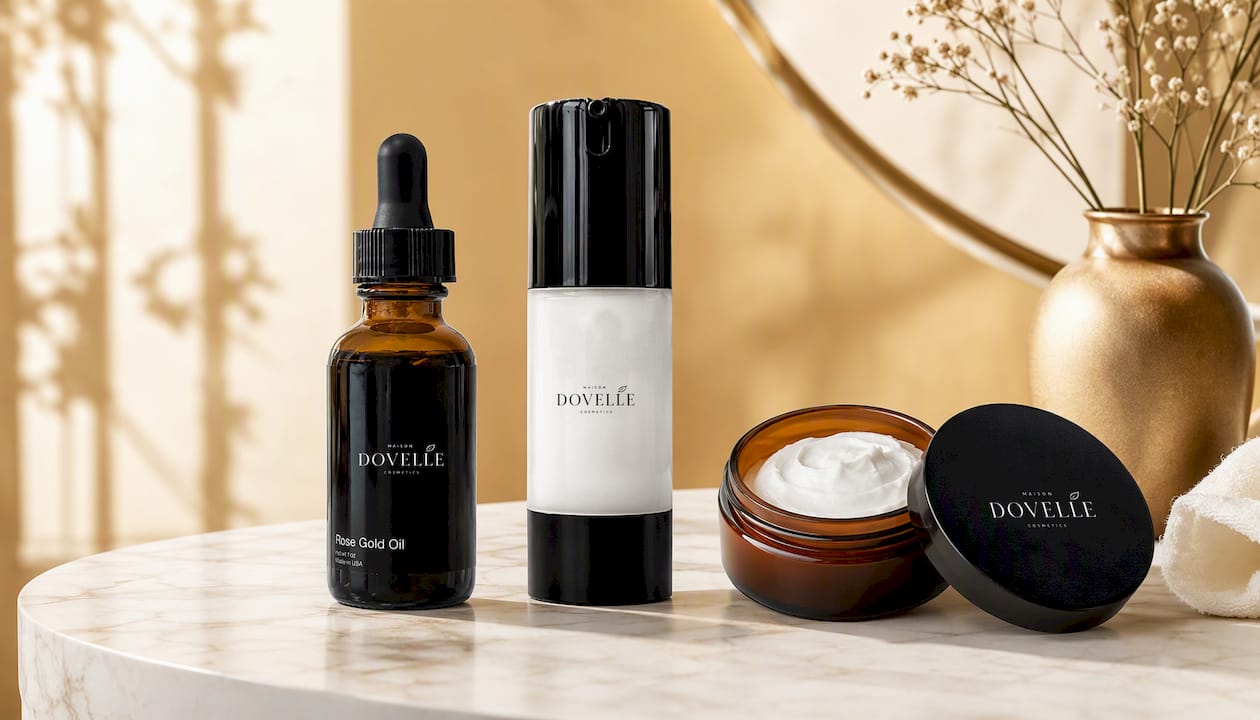
If fine lines or a tired, dull look are the concern, pair the Anti-aging Rose Gold Oil with your moisturizer as a finishing step rather than a replacement for treatment. Readers looking for a simplified routine built for sensitive or reactive skin can start with the Men’s Face Moisturizer, which applies the same clean-ingredient philosophy without extra steps. Browse the full eye care collection to compare options by concern, or check the face collection if you want to pair eye treatment with a matching moisturizer. Current pricing for individual products is listed on their respective product pages for comparison before committing to any routine.
Sources
- Clinical evidence of the efficacy and safety of a new multi‐peptide anti‐aging topical eye serum - Journal of Cosmetic Dermatology
- A review of the efficacy of popular eye cream ingredients - International Journal of Women’s Dermatology
- How to apply skin-care products in the right order - AAD
FAQ
Is serum or cream better for under eyes?
Neither is universally better since they solve different problems. Serums treat specific concerns like puffiness or dullness with concentrated actives, while creams hydrate and protect the barrier, so the right one depends on whether your main issue is a visible concern or dryness.
Do you need both eye serum and eye cream?
Not always, but most people see better results combining them since serums treat and creams seal in that treatment. If your skin is dry or you’re using a strong active like a retinoid, following serum with cream helps reduce irritation and moisture loss.
Should I use serum or eye cream first?
Serum goes first, on clean, dry skin, followed by cream once the serum has mostly absorbed. The AAD recommends this order because heavier products can block lighter ones from penetrating properly.
Can I use face serum as eye cream?
Some face serums are gentle enough for the eye area, but many contain concentrations of actives, like strong retinoids or AHAs, that are too harsh for thinner periorbital skin. Products specifically formulated for eyes, such as Maisondovelle’s Firm Serum, account for that sensitivity, so checking the label before applying a face product near your eyes is worth the extra minute.